





Mud houses are among the oldest and most sustainable forms of shelter in India — naturally cool in summer, warm in winter, and built almost entirely from local, natural materials. Modern mud house construction blends this traditional wisdom with new stabilisation techniques to create durable, beautiful, low-cost homes. Here is everything you need to know about building a mud house in India.
What Is a Mud House?
A mud house is built using earth-based materials, usually a mix of soil, sand, clay and natural binders. Far from primitive, today these homes are engineered for strength and longevity. The most common techniques used in India are:
- Adobe — sun-dried mud bricks, ideal for walls
- Cob — a hand-shaped mix of mud and straw
- Rammed earth — moist earth compacted in formwork for solid, modern walls
- Wattle and daub — mud applied over a bamboo or timber frame
Benefits of a Mud House
- Natural thermal comfort — thick earth walls keep interiors cool in summer and warm in winter
- Very low cost — among the cheapest ways to build a solid home
- Eco-friendly — minimal cement, very low carbon footprint
- Healthy and breathable — earth walls regulate humidity naturally
- Locally sourced — materials often come from the site itself
- Easy to repair — simple, low-cost maintenance
How Much Does a Mud House Cost in India?
Mud house construction in India typically costs ₹700 to ₹1,500 per square foot, making it one of the most affordable ways to build. Simple, owner-involved builds sit at the lower end, while stabilised earth homes with modern finishes, plumbing and a durable roof reach the higher end — still well below the cost of a concrete house.
The Mud House Construction Process
- Site and soil assessment — testing the soil to get the right clay-to-sand balance
- Strong foundation and raised plinth — stone or brick plinth to keep walls clear of ground water
- Wall construction — using adobe, cob or rammed earth
- Roof framing — bamboo or timber structure with generous overhangs
- Roofing — tiles, thatch or metal to shed rain away from walls
- Natural plastering — mud, lime and stabilisers for a protective finish
- Waterproofing and finishing — sealing, flooring and detailing
Are Mud Houses Durable and Waterproof?
A common myth is that mud houses simply melt in the rain. In reality, a well-built mud house with a strong raised plinth, wide roof overhangs and stabilised plaster can last 30 years or more. Stabilising the soil with lime, or a small amount of cement, dramatically improves water resistance — which is exactly how modern earth homes survive heavy monsoons.
Mud House vs Conventional House
Compared with a concrete house, a mud home costs far less, stays naturally comfortable without heavy air-conditioning, and has a tiny environmental footprint. It does need thoughtful design and periodic care — but for the right site and owner, the savings and comfort are hard to beat. Many of our clients combine earth walls with a bamboo structure and roof for the best of both materials.
Modern Mud Homes in India
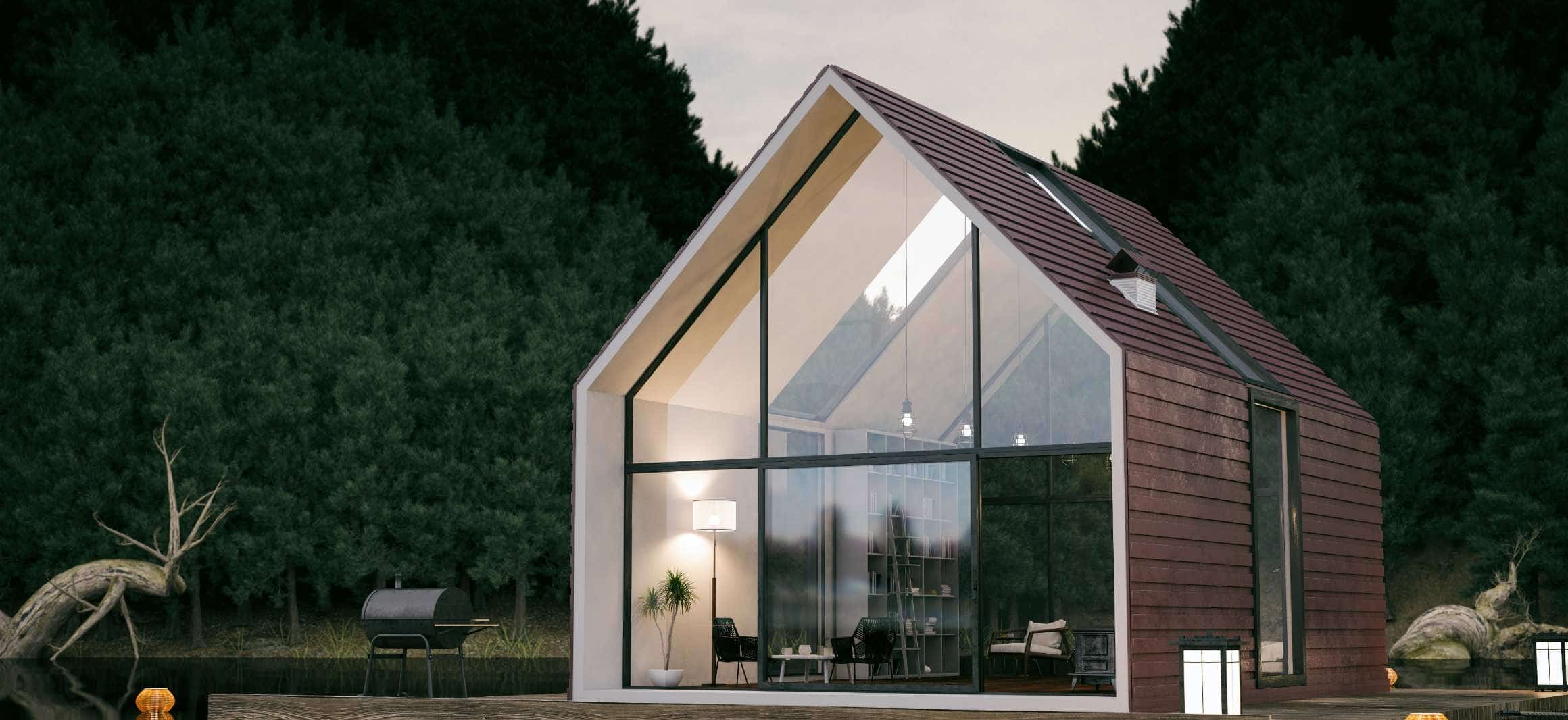
Across India, architects and builders are creating stunning contemporary mud homes — from sleek rammed-earth villas to cosy cob cottages. Paired with large windows, good ventilation and natural finishes, mud houses prove that sustainable can also be beautiful and modern.
Frequently Asked Questions
How much does it cost to build a mud house in India?
Mud house construction in India usually costs ₹700 to ₹1,500 per square foot. Simple owner-built homes are cheapest, while stabilised earth homes with modern finishes cost more but remain far below concrete.
How long do mud houses last?
With a raised plinth, wide roof overhangs and stabilised plaster, a well-built mud house lasts 30 years or more. Many traditional mud homes in India are far older.
Are mud houses waterproof?
Yes, when built correctly. A strong plinth keeps walls off the ground, roof overhangs shed rain, and lime or cement-stabilised plaster protects the surface from moisture.
Are mud houses good for the Indian climate?
Mud houses are excellent for India. Thick earth walls provide natural insulation, keeping interiors cool in hot summers and warm in winter without heavy air-conditioning.
Dreaming of a natural earth home? Learn about our mud and bamboo construction services, browse our completed projects, or contact the V Liv In Bamboo team to discuss your project.